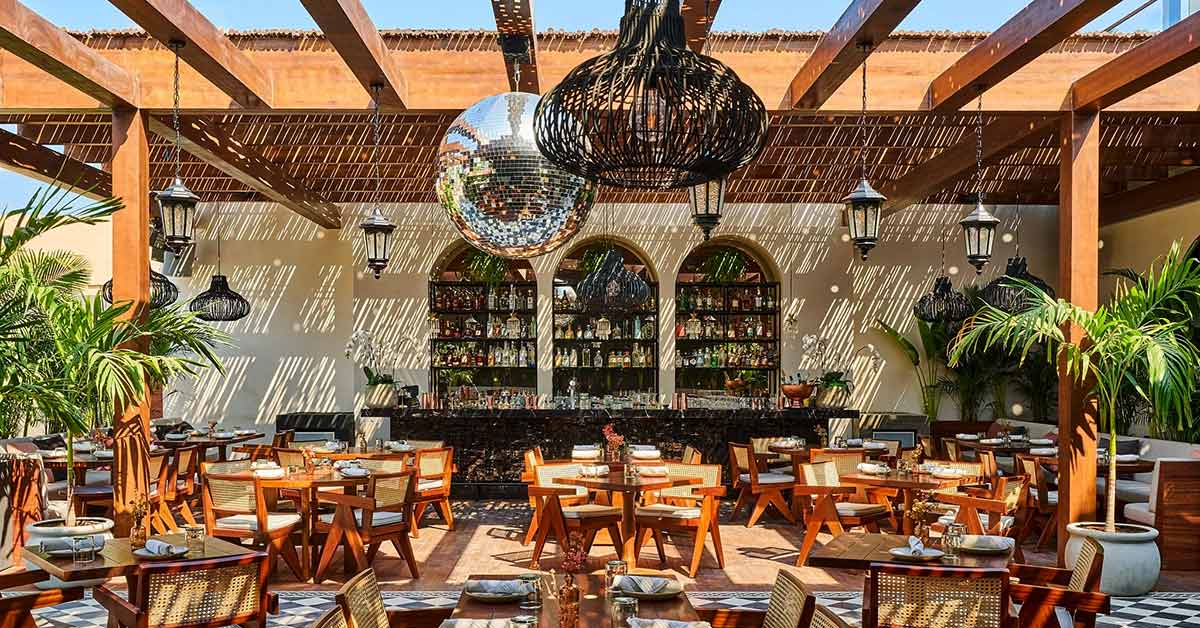
Choosing the Right Timber for Pergolas & Outdoor Structures in the UAE and Saudi Arabia
Designing outdoor spaces in the Middle East requires more than beautiful architecture — it demands materials that can withstand extreme climate conditions while maintaining elegance and structural integrity.
When comparing engineered laminated timber vs solid timber, the conversation shifts beyond aesthetics. In the UAE and Saudi Arabia, pergolas and outdoor structures must endure intense sun, high temperatures, dry desert air, coastal humidity, and sudden sandstorms. The material you choose plays a crucial role in how your structure performs over time.
Whether it’s a luxury villa in Dubai, a beachfront hospitality destination along the Red Sea, or an educational campus in Riyadh, selecting the correct timber ensures durability, safety, and long-term value.
Let’s explore the key differences.
Understanding Engineered Laminated Timber
Engineered laminated timber — often referred to as glulam — is produced by bonding multiple layers of timber together under controlled pressure using structural-grade adhesives. Each layer is aligned strategically to maximise strength and minimise natural weaknesses.
The result is a beam that is:
- Structurally consistent
- Highly stable under load
- Capable of spanning longer distances
- Less prone to distortion
This makes it ideal for large pergolas, resort pavilions, and hospitality environments where clean architectural lines are essential.
Why It’s Favoured in the Gulf Region
In projects across the Middle East, engineered laminated timber is often selected for:
- Large-scale resort installations
- High-end residential villas
- Beachfront hospitality developments
- Contemporary architectural designs
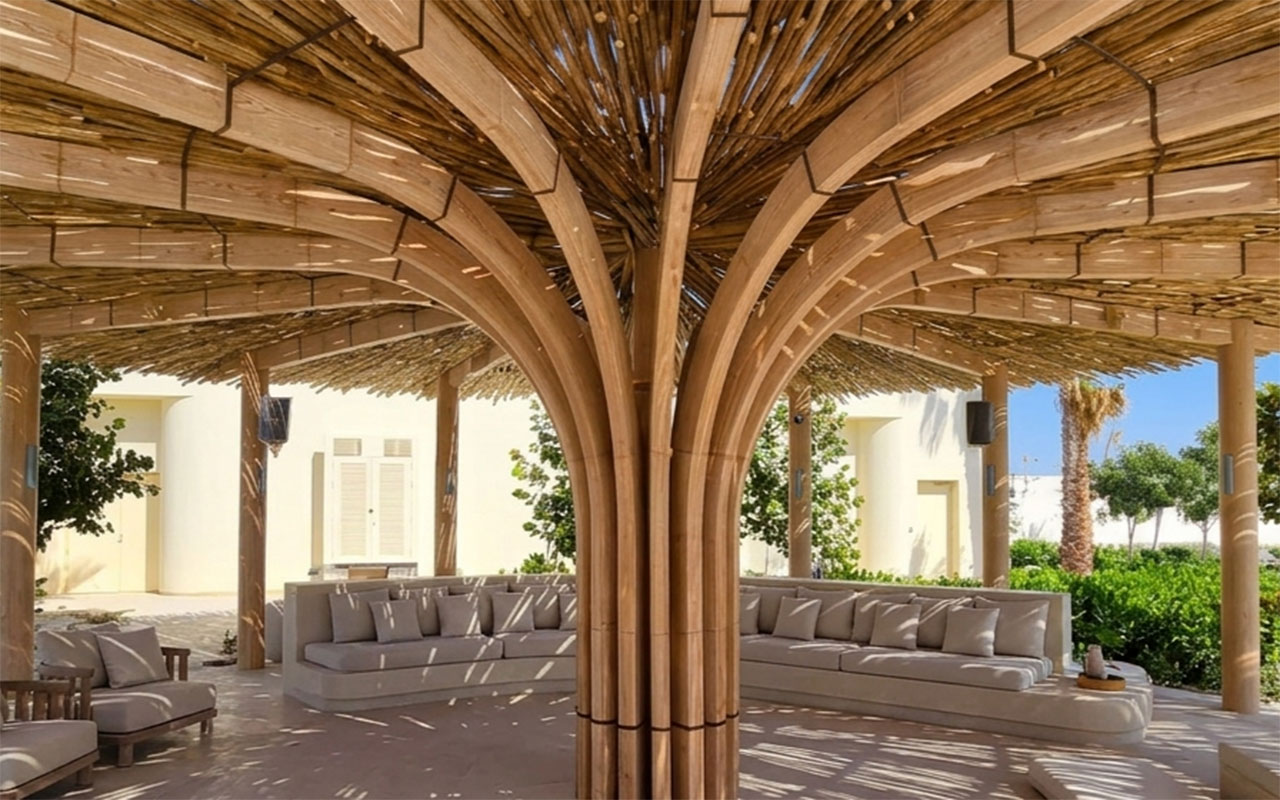
At Cape Reed, we are currently using laminated timber in our latest project in Saudi Arabia at AMAALA for the Six Senses Hotel — a development that demands world-class standards in sustainability, structural reliability, and refined aesthetics.

What Is Solid Timber?
Solid timber is milled directly from a tree and shaped into beams or posts. It has been used in construction for centuries and offers natural warmth and character.
Each piece of solid timber is unique, displaying individual grain patterns and organic imperfections that many clients appreciate.
However, because it is a single natural element, it reacts more noticeably to environmental changes.
In hot, arid climates such as Saudi Arabia and the UAE, solid timber may:
- Expand and contract with temperature shifts
- Develop surface checking (fine cracks)
- Experience slight twisting over time
This doesn’t mean it isn’t suitable — it simply requires careful specification and ongoing maintenance.
Structural Performance in Extreme Heat
One of the most important considerations in the Gulf region is structural stability under extreme temperatures.
Engineered laminated timber offers predictable load-bearing capacity. Because it is engineered in layers, internal stresses are balanced, reducing the risk of warping or bending.
Solid timber remains strong but may vary in performance depending on natural grain, knots, and moisture content.
For large-span pergolas or shaded entertainment areas without central supports, laminated timber is often the preferred choice.

Climate Resistance: Desert vs Coastal Conditions
The UAE and Saudi Arabia present unique environmental challenges:
- High UV exposure
- Intense heat
- Coastal salt air (Red Sea and Arabian Gulf regions)
- Dry desert climates
Engineered laminated timber performs well because it resists moisture movement more effectively. This stability helps maintain straight lines and structural alignment.
Solid timber, while beautiful, may require more protective treatment in these conditions.
Resistance to Warping and Cracking
Stability is one of the biggest advantages when comparing engineered laminated timber vs solid timber.
Because laminated beams are composed of multiple layers, they are far less likely to twist or crack dramatically.
Solid timber may develop visible cracks over time as it acclimatises to temperature fluctuations. In certain traditional designs, this adds character. In modern hospitality environments, however, precision and clean lines are often prioritised.
Sustainability and Responsible Sourcing
Sustainability is becoming a key focus across the Gulf region, particularly in large-scale developments such as AMAALA and other Vision 2030 initiatives in Saudi Arabia.
Engineered laminated timber supports sustainability by:
- Using smaller timber sections efficiently
- Reducing material waste
- Maximising structural output per tree harvested
Both laminated and solid timber can be responsibly sourced under recognised forestry standards. When specified correctly, timber remains one of the most environmentally conscious structural materials available.
Fire Performance and Safety
In hospitality, educational, and public environments, fire performance is a critical design factor.
Engineered laminated timber can be treated with Cape Reed Fireshield that meet regulatory standards without altering visual appeal.
Solid timber can also be treated, though performance depends on species and thickness.

Real-World Application in Saudi Arabia
Cape Reed has applied both materials across the region.
At the Misk School in Riyadh, we used square timber elements in educational play structures, blending nature and learning in a safe, inspiring environment.
For luxury hospitality at AMAALA’s Six Senses Hotel, engineered laminated timber is being utilised to deliver architectural precision, durability, and long-term structural confidence.
The material selection always aligns with project intent, environment, and longevity goals.
Which Timber Is Best for Your Project in the UAE or KSA?
If your project demands:
- Modern, refined aesthetics
- Structural precision
- Long spans without heavy supports
- Hospitality-grade durability
Engineered laminated timber is typically the superior choice.
If your design leans toward:
- Natural, traditional character
- Rustic warmth
- Organic visual appeal
Solid timber may complement your vision beautifully.

Conclusion
The decision between engineered laminated timber vs solid timber is not simply about material — it’s about performance, longevity, and design vision.
In the demanding climates of the UAE and Saudi Arabia, choosing the right timber ensures your pergola, gazebo, or outdoor pavilion remains structurally sound and visually striking for years to come.
At Cape Reed, we combine traditional craftsmanship with engineered innovation to deliver outdoor structures that meet the highest standards of luxury, sustainability, and durability.
If you’re planning a project in the Middle East, our team would be delighted to guide you toward the most suitable timber solution.
Frequently Asked Questions

About Cape Reed Team
Our expert team at Cape Reed Spain brings decades of experience in sustainable thatching and premium outdoor living solutions.
You Might Also Like
Discover more outdoor living inspiration

Why Cape Reed Uses Timber — And Why That’s the Sustainable Choice
There’s a question that comes up more often than you might expect, especially among architects and developers who ...

Inside Cape Reed’s Projects in Saudi Arabia: From Misk School to Red Sea Global
Saudi Arabia is entering a new era of design, development, and global ambition. From visionary tourism destinations to c...
Cape Reed International in Saudi Arabia: A New Standard for Outdoor Design
Saudi Arabia is undergoing a remarkable transformation. From visionary tourism developments to luxury residential commun...