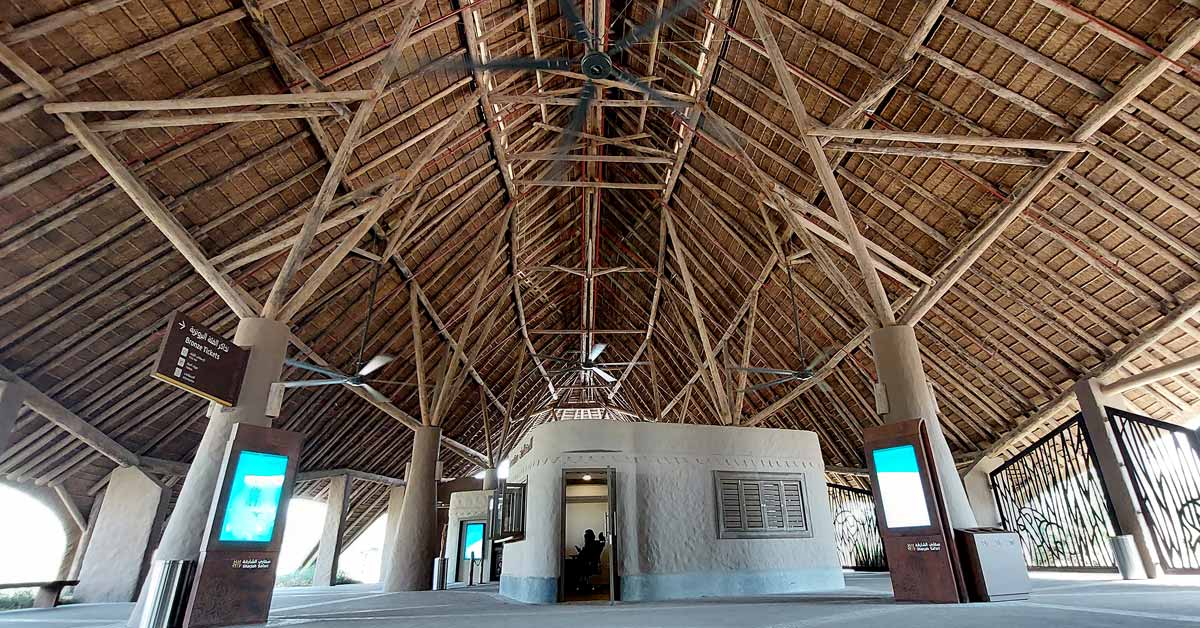
Behind every completed Cape Reed project — whether it is a resort-wide outdoor structures package in Saudi Arabia or a bespoke villa garden transformation in Dubai — there is a process. A way of working that has been refined over more than two decades of delivering complex outdoor construction projects across some of the most demanding environments in the world.
That process is what clients are really buying when they commission Cape Reed. Not just the thatch and the timber, but the knowledge, the organisation, the accountability, and the experience that turns a design brief into a finished space that performs exactly as intended — on time, on budget, and to the quality standard that the project demands.
This article is for developers, architects, project managers, and procurement directors who want to understand what working with Cape Reed actually looks like — from the first conversation to the day we hand over the keys.
Why large-scale outdoor construction is complex
Outdoor construction projects of any real scale are more complex than they first appear. This is a truth that catches many developers off guard — particularly those whose experience is primarily in conventional building construction, where supply chains, specification standards, and contractor markets are well established.
Natural materials like thatch and timber introduce a layer of complexity that synthetic or manufactured materials do not. Reed quality varies by source and harvest. Timber species must be matched to climate and structural requirements. Treatment processes — for both fire retardancy and long-term preservation — must be applied correctly and documented for compliance purposes. Thatching is a skilled craft that requires trained specialists, not general labourers.
Add to this the logistical challenges of delivering across international markets — the UAE, Saudi Arabia, Spain, Portugal, Belgium — where regulatory environments, import requirements, and local construction practices all vary significantly, and the picture becomes clear: outdoor construction at scale requires a level of expertise and organisation that goes well beyond the capabilities of most local contractors.
This is precisely the gap that Cape Reed fills.

The Cape Reed EPC model
Cape Reed operates as a fully integrated EPC partner: Engineering, Procurement, and Construction. This model means that we do not hand off responsibility at any stage of the project. One team, with one point of contact, manages the entire delivery from inception to handover.
For clients managing large or complex developments, this is not simply a convenience — it is a fundamental risk management advantage. Fragmented delivery models, where design is handled by one party, materials by another, and construction by a third, are a common source of delay, cost overrun, and quality failure on outdoor construction projects. Cape Reed’s integrated model eliminates those friction points.
Here is what that looks like in practice.
Stage 1: Consultation and project scoping
Every Cape Reed project begins with a detailed consultation. For large-scale commercial projects, this typically involves our senior project team meeting with the client’s development director, lead architect, and key project stakeholders to develop a thorough understanding of the project.
The questions we ask at this stage go beyond the obvious ones about scale and budget. We want to understand the project’s design intent — what atmosphere the outdoor structures are meant to create and what experience they are meant to deliver. We want to understand the sustainability and compliance requirements — certification, fire safety standards, local authority approvals. We want to understand the programme — when structures need to be operational relative to the broader project timeline, and what constraints exist around site access and construction sequencing.
We also ask about risk. What are the client’s primary concerns about the delivery? Where have similar projects encountered problems in the past? Understanding where risk sits allows us to build a delivery model that actively manages it rather than hoping it does not materialise.
At the end of the consultation stage, Cape Reed produces a detailed project brief that forms the foundation of our design and proposal work.

Stage 2: Design and specification
Cape Reed’s design team works to develop a structural and material specification that meets every requirement identified in the project brief — aesthetic, functional, regulatory, and budgetary.
For hospitality and commercial projects, this typically involves producing detailed structural drawings, material schedules, Fireshield treatment specifications, and compliance documentation packs. Where the project involves working alongside other architects or interior designers, our team integrates directly into that design process — providing specialist outdoor construction input at the stages where it is most valuable.
For large projects, this stage often includes value engineering — identifying where material or specification choices can deliver equivalent performance at more efficient cost, without compromising the aesthetic or quality outcomes the project requires. Cape Reed’s depth of product knowledge across natural thatch, synthetic thatch, thatch tiles, and multiple timber species and treatments means we can have this conversation with genuine authority.
The output of this stage is a complete design and specification package — drawings, material specifications, compliance documentation, and a detailed cost plan — that forms the basis of the client’s investment decision.
Stage 3: Procurement
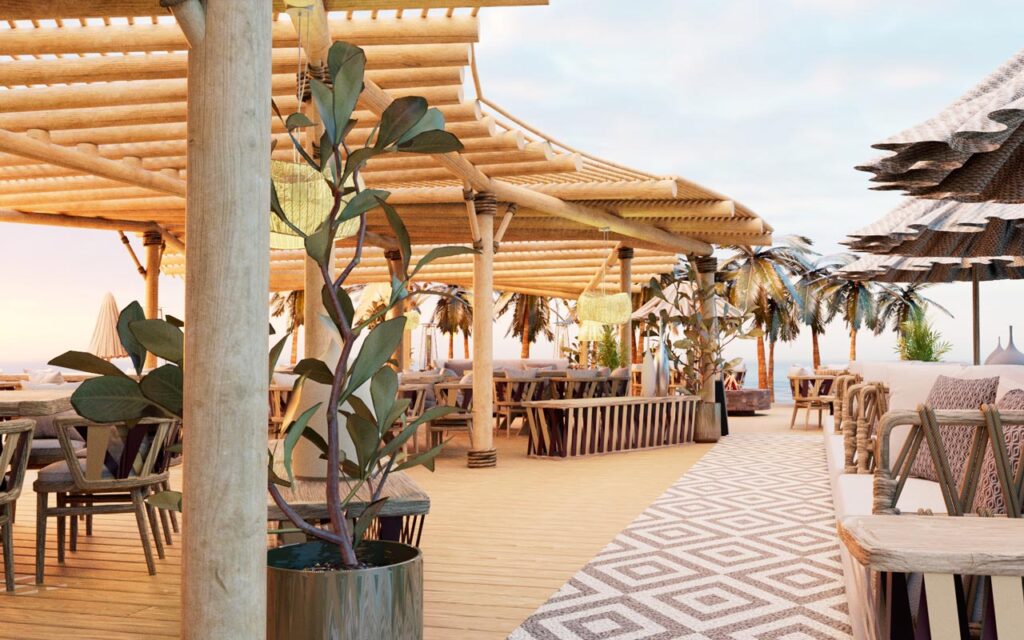
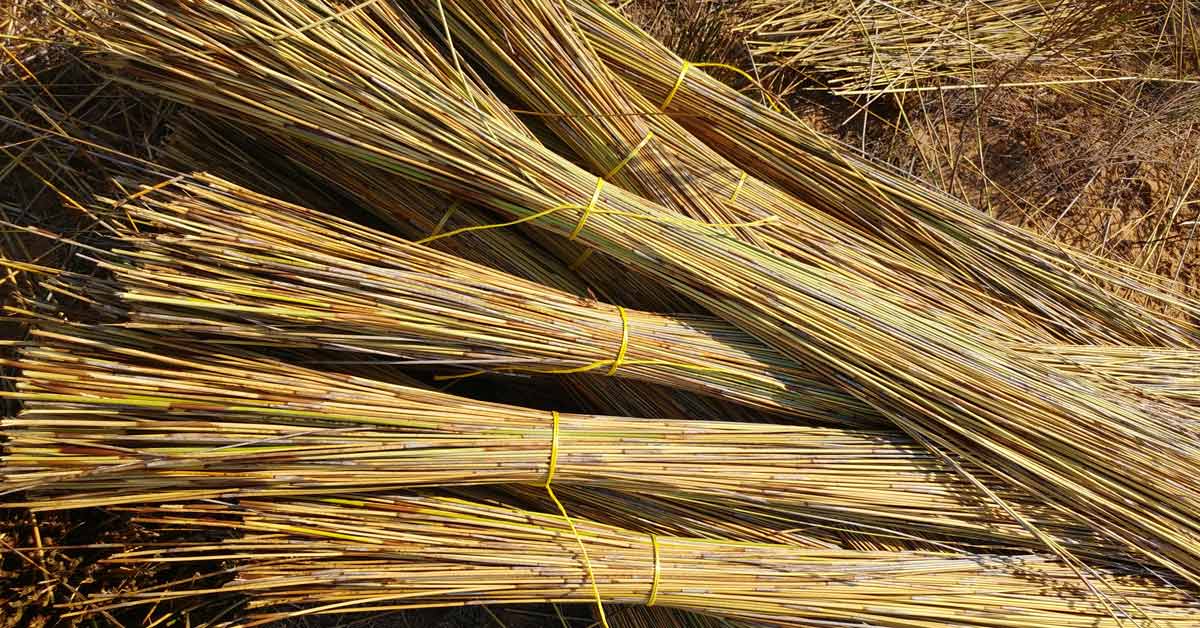
Cape Reed’s supply chain is one of our most significant competitive advantages. Built over twenty years of operating across multiple international markets, our procurement network gives us direct access to the world’s best sources of natural thatching reed, certified timber, Fireshield treatment products, and a wide range of complementary construction materials.
This matters to clients for several reasons. First, it means quality assurance at source — we know where our materials come from, how they have been produced, and what their performance characteristics are. Second, it means supply chain reliability — we are not dependent on intermediaries or secondary markets that can introduce delays or inconsistencies.
For international projects — shipping materials from South Africa to the UAE, or from Europe to Saudi Arabia — Cape Reed manages all logistics, import procedures, and customs requirements. This is an area where inexperienced operators regularly encounter significant delays; for Cape Reed, it is routine.
Stage 4: Construction and installation
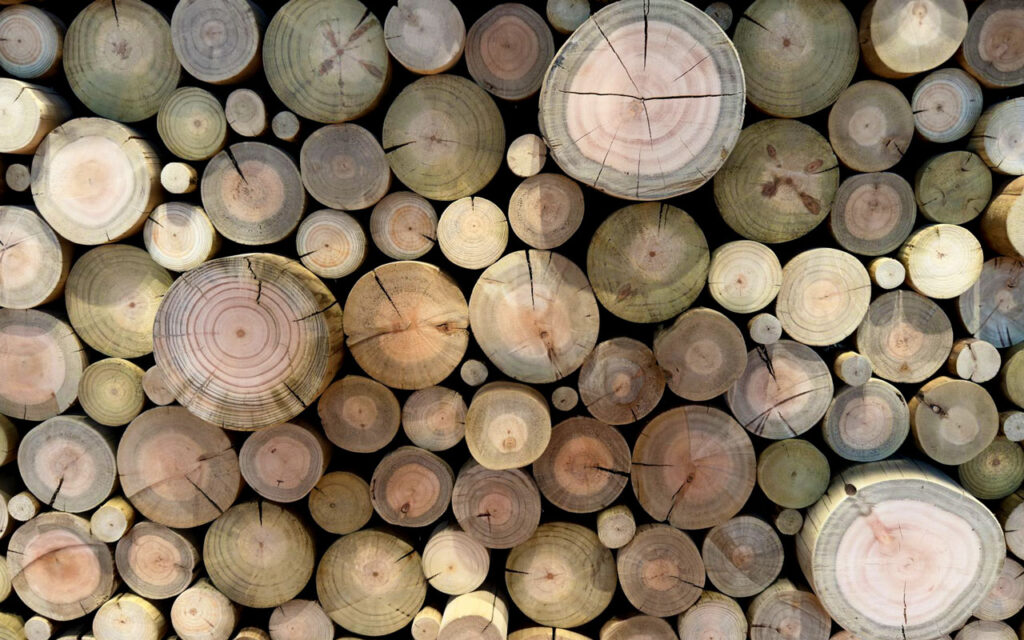
Cape Reed deploys experienced installation teams across all of our operating markets. Our thatching specialists carry the craft knowledge of the Elim community in South Africa — a tradition of exceptional skill that is the foundation of the quality that Cape Reed is known for. Our timber construction teams are experienced in working with the full range of structural timber applications that our projects demand.
For large-scale commercial projects, construction is managed by a dedicated site supervisor who reports to Cape Reed’s project management team throughout the build. Daily progress is tracked against the programme, material deliveries are coordinated to ensure continuous workflow, and quality checks are conducted at defined stages of the construction process.
Cape Reed understands that on large hospitality or commercial developments, our construction activity is happening alongside that of many other contractors — civil works, MEP installations, landscaping, interior fitout. Our project managers are experienced in coordinating within this environment, communicating proactively with the main contractor and ensuring that our work schedule aligns with the broader site programme.
Fireshield treatment is applied by Cape Reed’s trained specialists at the appropriate stage of construction — not as an afterthought at the end of the process, but integrated into the build programme to ensure correct curing and consistent coverage across all treated surfaces.
Stage 5: Quality assurance and handover
Before any Cape Reed project is handed over to the client, it is inspected against our internal quality standards by a senior member of our project management team. This inspection covers structural integrity, material quality, thatching consistency, timber finish, Fireshield treatment coverage, and compliance with the agreed specification.
For commercial clients managing insurance obligations, sustainability reporting, or regulatory compliance, it is an essential part of the project deliverable. Cape Reed treats it accordingly.
What clients say about the Cape Reed process
The feedback we hear most consistently from clients who have worked with Cape Reed on large-scale projects is about accountability. In a construction environment where passing responsibility between trades and suppliers is common, having one partner who owns the entire process — from design through to the documentation pack at handover — is something that experienced project directors and developers value enormously.
The second thing we hear consistently is about quality. Cape Reed’s structures are built by people who care deeply about what they make. The craft tradition that runs through our company — from the thatching skills of the Elim community to the timber engineering expertise of our construction teams — produces a quality of finish that is visible and tangible in every completed project.
And the third thing — perhaps most important for clients managing complex programmes — is reliability. Cape Reed delivers what it promises, when it promises it. In a market where delays and quality failures are common, that reliability is worth more than the cost of any individual project.
Starting a large-scale project conversation with Cape Reed
If you are in the planning or procurement stage of a large outdoor construction project — in the UAE, Saudi Arabia, Spain, Portugal, Belgium, or South Africa — Cape Reed’s team is ready to engage.
We work best when we are involved early. The earlier in the design process we can contribute our specialist knowledge of materials, structural performance, climate considerations, and compliance requirements, the better the outcome for the project — and the more efficiently we can deliver it.
View our project portfolio →
Contact our team to discuss your project →
Cape Reed offices:
- Dubai, UAE: +971 4 341 7452
- Saudi Arabia: +966 554 573 428
- Spain: +34 95 177 5495
- Cape Town, South Africa: +27 21 914 5153/4
Exclusive Living. Naturally.

About Cape Reed Team
Our expert team at Cape Reed Spain brings decades of experience in sustainable thatching and premium outdoor living solutions.
You Might Also Like
Discover more outdoor living inspiration
What Is Thatch Roofing? Materials, Types & Why It’s Still Popular
What is thatch roofing? Thatch roofing is a roof covering made from dry vegetation — traditionally reed, straw, or palm ...
Cape Reed in Saudi Arabia: The Projects Redefining Luxury Outdoor Design
Saudi Arabia is in the middle of one of the most ambitious national transformation programmes in modern history. Vision ...

Luxury Outdoor Living in the UAE: The Complete Villa Garden Guide
There is a particular kind of satisfaction that comes from stepping out of your back door into a space that genuinely ta...